
Zincs, haul-outs and bottom paint: how often
Three things set the rhythm of below-the-waterline maintenance for a boat kept in a California slip: the zincs (anodes) that protect the metal, the bottom paint that keeps growth off, and the haul-out you need to renew both. Here is how often each comes up and how they connect.
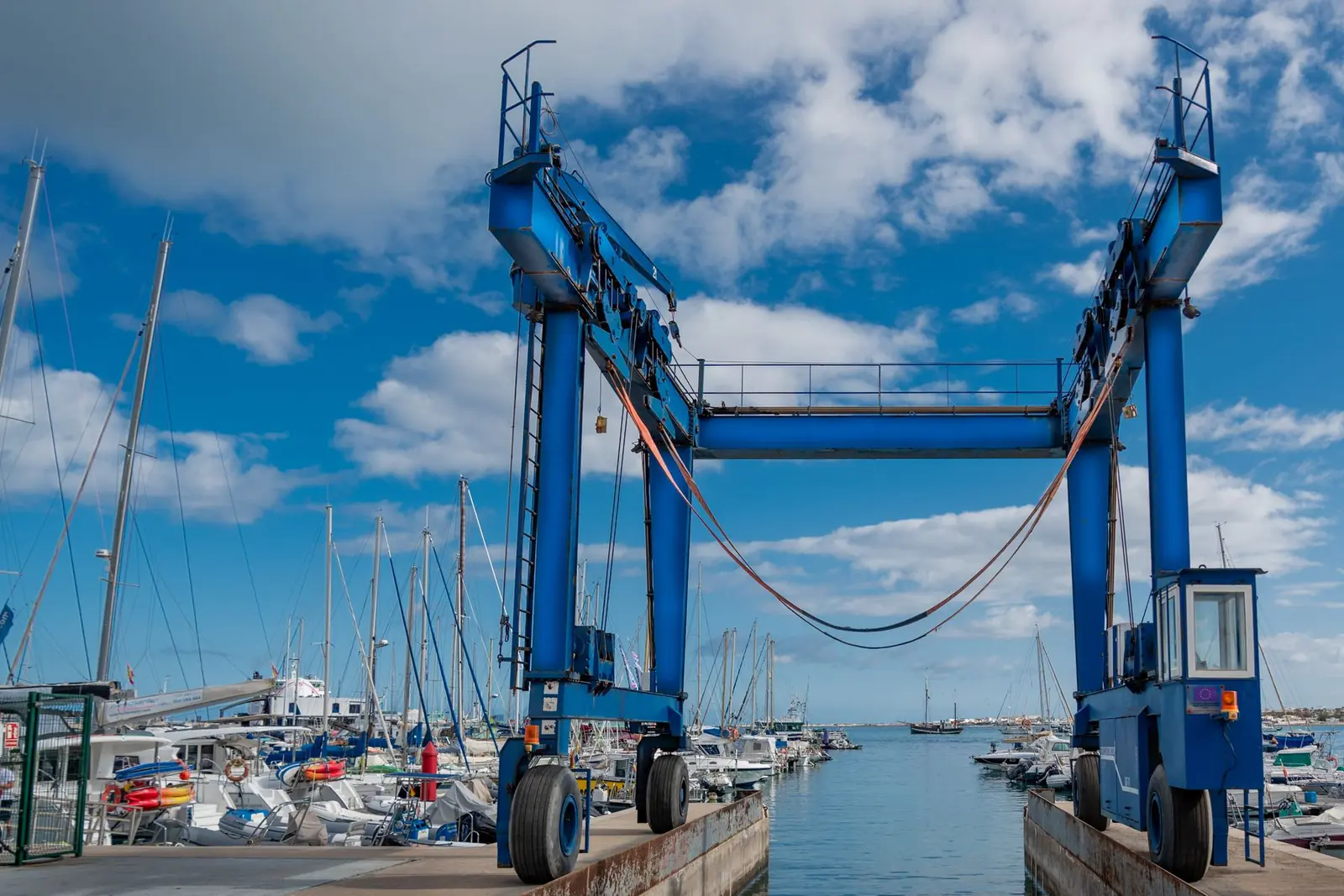
Photo: silviu rarau on Pexels
At a glance
- Replace zincs
- At about half gone, usually once a year[2]Last verified
- Outboards and sterndrives in salt water
- Most makers say every six months[2]Last verified
- Copper bottom paint life
- 2–3 years (manufacturer claims)[3]Last verified
- Non-biocide coating life
- 5–10 years (manufacturer claims)[3]Last verified
Zincs (anodes): what they do and when to replace them
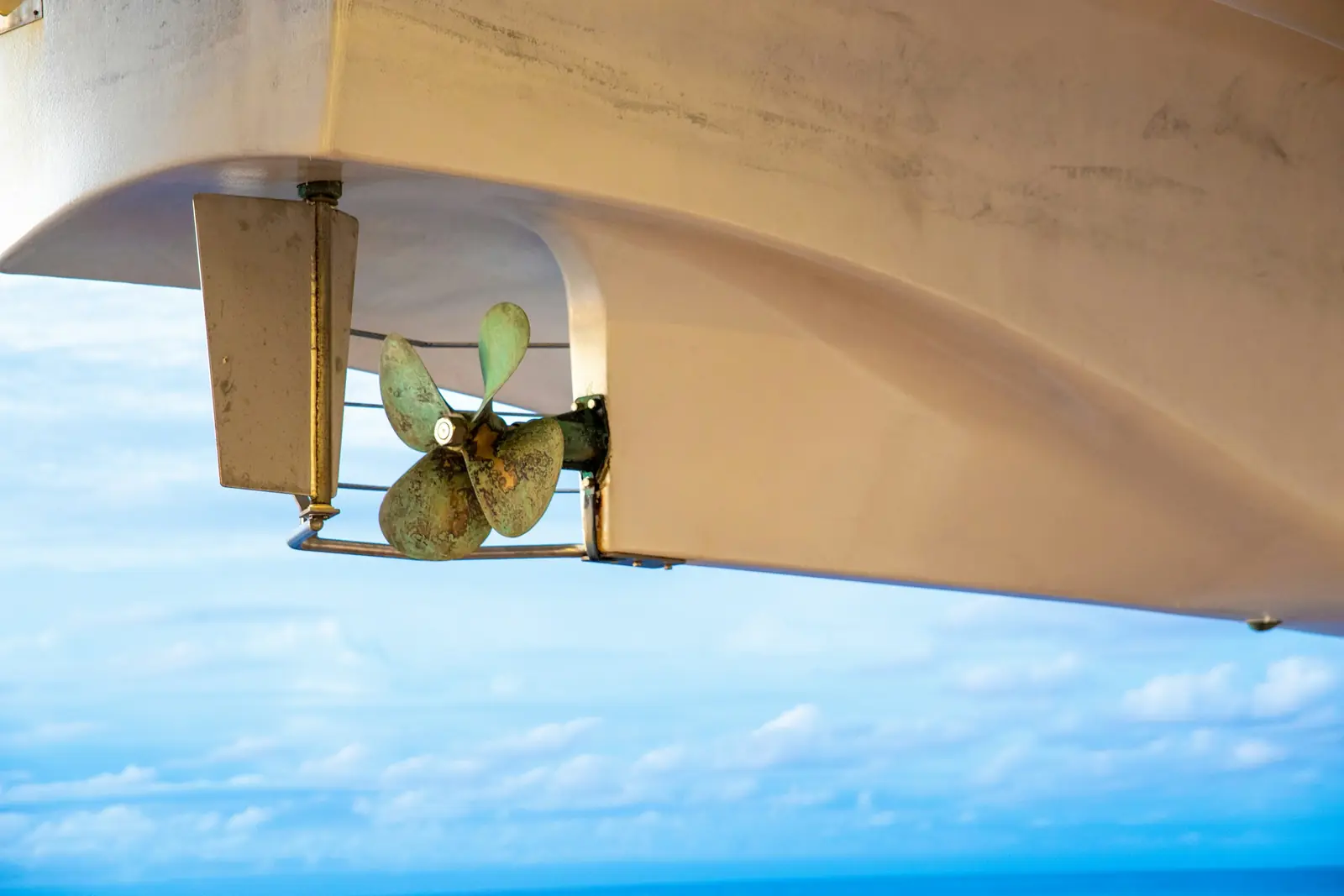
A boat in salt water is a battery: dissimilar metals underwater, such as a stainless prop and an aluminum outdrive or a bronze through-hull, are connected through the water, and the less noble metal corrodes. Zinc anodes are there to corrode instead. You'll find them on the hull, shaft, rudder, trim tabs, outboards and sterndrives, and in many inboard engines' cooling systems.[1]
- Replace an anode when it's about half gone, which is usually every year.[2]
- Most outboard and sterndrive makers recommend replacing anodes every six months if the boat is used in salt water.[2]
- Inspect them carefully at every haul-out.[1]
- Zincs that suddenly wear much faster than usual can warn of stray current in your boat or the marina; have a specialist check.[2] If they need replacing more than once a year, look for an electrical leak, though heavy use in very salty water also wears them faster.[1]
Between haul-outs, your hull diver is the one who sees the zincs. Ask for a photo of each anode at each cleaning, and log when they were replaced, so you can spot fast wear. The maintenance log has a zinc column for this. Fast wear is also an electrical safety signal; see shore power safety.
Bottom paint: types and how long they last
| Paint | Estimated life* | Suited to | Cleaning |
|---|---|---|---|
| Copper | 2–3 years | Cruisers, frequently used powerboats, pleasure boats | State guidance: wait 90 days after painting; then no more than once every 30 days |
| Non-copper biocide | Up to 2 years | Cruisers, frequently used powerboats, pleasure and trailered boats | Every 3–4 weeks |
| Non-biocide | 5–10 years | Inactive boats, frequently used powerboats, pleasure boats, racers, trailered boats (hard coatings) | Every 2–4 weeks |
*Manufacturers' claims, as reported in the guide.[3]
Non-biocide coatings cost more to buy and apply, and switching from copper usually means stripping the old paint first. Because they can last about twice as long and can be recoated without stripping, they may cost less over time.[4] They are encouraged statewide, especially in the harbors impaired by copper.[3] Cleaning schedules by paint are in how often to clean your hull.
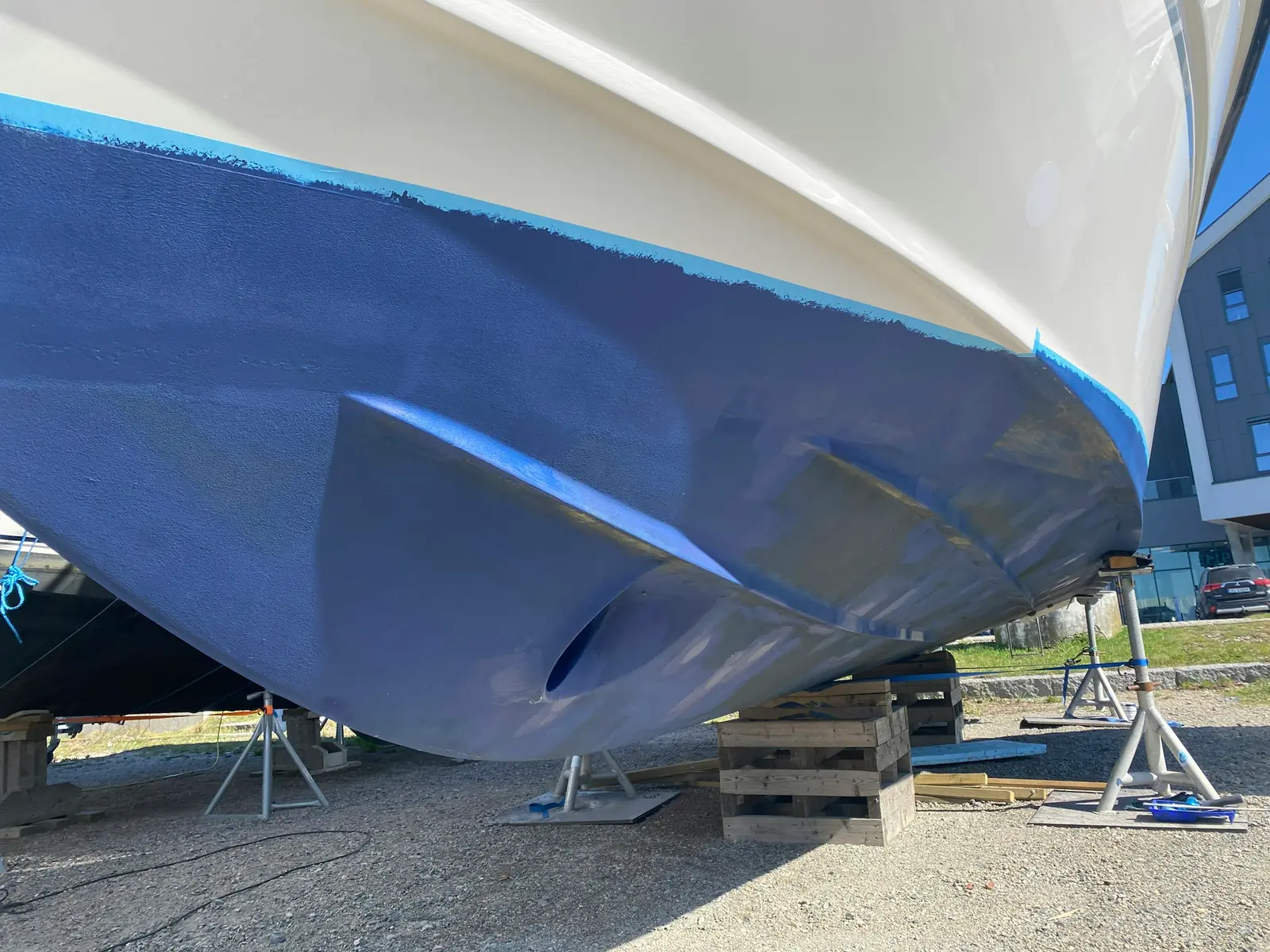
Photo: Dmitrijs Safrans on Unsplash
How often to haul out
For most slip-kept boats, the paint sets the haul-out cycle: you haul when the bottom needs repainting, so roughly every 2–3 years on copper, sooner on a non-copper biocide, and much less often on a non-biocide coating.[3] Use each haul-out for the jobs you can only do out of the water:
- Inspect and replace zincs.[1]
- Inspect every below-waterline fitting, hose and clamp. Slow failure of a part below the waterline is the most common reason boats sink at the dock.[5]
- Sterndrive bellows: inspect every year and replace every 3–5 years.[5]
- Check the prop, shaft, cutless bearing, rudder and through-hull transducers.
- Engine raw-water impeller: BoatUS suggests replacing it every 2–3 years; your engine manual comes first.[5]
What a haul-out costs: a published example
Boatyards publish prices in different ways, so compare line by line. One public example, the Santa Cruz Harbor Boatyard's fiscal-year 2027 schedule:[6] Last verified
- Monohull haul-out (2-strap): $13.00 per foot, $300 minimum, including the haul, a high-pressure wash and shoring. Haul and launch days aren't charged as lay days.
- Lay days: $1.50 per foot per day for days 1–14, then $2.00 for days 15–30.
- Environmental surcharge $7.00 per day; hazardous materials disposal $30.
- Outside contractors working in the yard: $250 registration fee.
So a 30-foot monohull pays $390 for the haul-out itself before lay days, paint, labor and fees. Santa Cruz charges extra for excessive marine growth, and other yards price differently. For more published rates, see the haul-out cost and bottom paint cost guides.
Plan it
The maintenance calendar takes your paint type and paint date and shows when the next haul-out window opens.
Sources
- BoatUS. Zincs (July 2012).
- BoatUS. Boat Corrosion Protection With Anodes (February 2017).
- Port of San Diego, LA County Beaches & Harbors, Division of Boating and Waterways, Coastal Commission. Recreational Boater's Guide to Using Hull Paint in California (2019).
- California Coastal Commission. Boat Hull Cleaning and Hull Coating Selection: Water Quality Factsheet (rev. Dec 2019) (December 2019).
- BoatUS. Keeping Your Boat Afloat (analysis of a year of sinking claims) (April 2014).
- Santa Cruz Port District. Santa Cruz Harbor Boatyard FY27 Fee Schedule.