
How to become a marine mechanic in California
Marine mechanics service and repair inboard and outboard engines, generators, drives and fuel systems, in boatyards, at dealers or as mobile techs who come to the slip. California doesn't license the trade. Employers and owners look for training, ABYC and manufacturer certifications, and a record of good work.
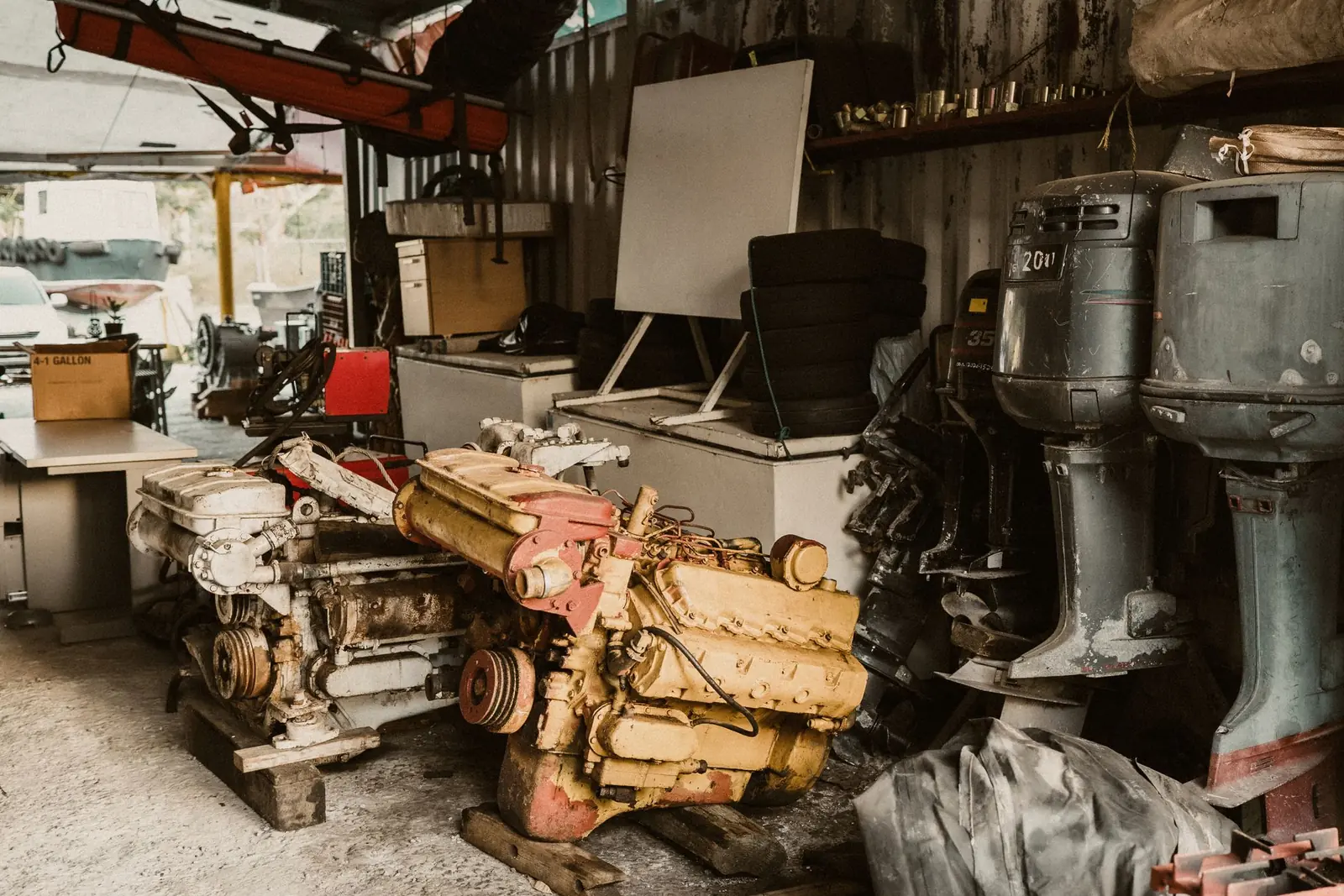
Photo: Luis Quintero on Pexels
The job and the federal data
The Bureau of Labor Statistics groups motorboat mechanics with small engine mechanics. It reports a median pay of $57,550 a year for motorboat mechanics and service technicians (May 2025) and projects 5% growth in their employment from 2025 to 2035. Most enter with a high school diploma or a postsecondary certificate and learn on the job.[1]
That's a national median. California pay varies by region, employer and specialty.
Training paths
- Apprenticeship and community college. Las Positas College in Livermore offers a Marine Technology Boating 101 Certificate of Achievement (8 units) as part of an apprenticeship program, preparing apprentices for entry-level marine technician work on mechanical and electrical systems.[2]
- On the job. Many mechanics start in a boatyard or dealer service department and learn under experienced techs.[1]
- Manufacturer training. Engine makers train and certify technicians for their dealers and authorized service centers. Owners of newer engines often look for it, especially for warranty work. We haven't reviewed each program; check with the manufacturer or a dealer.
Certifications worth getting
- ABYC Marine Engines and Fuel Systems, Marine Systems and Marine Corrosion. Technician level needs a passing exam and 2 years of work experience; certifications are active for 5 years.[3]
- EPA Section 608 if you work on refrigeration or air conditioning.[4]
- California Boater Card to run boats on sea trials.[5]
More detail in certifications by trade.
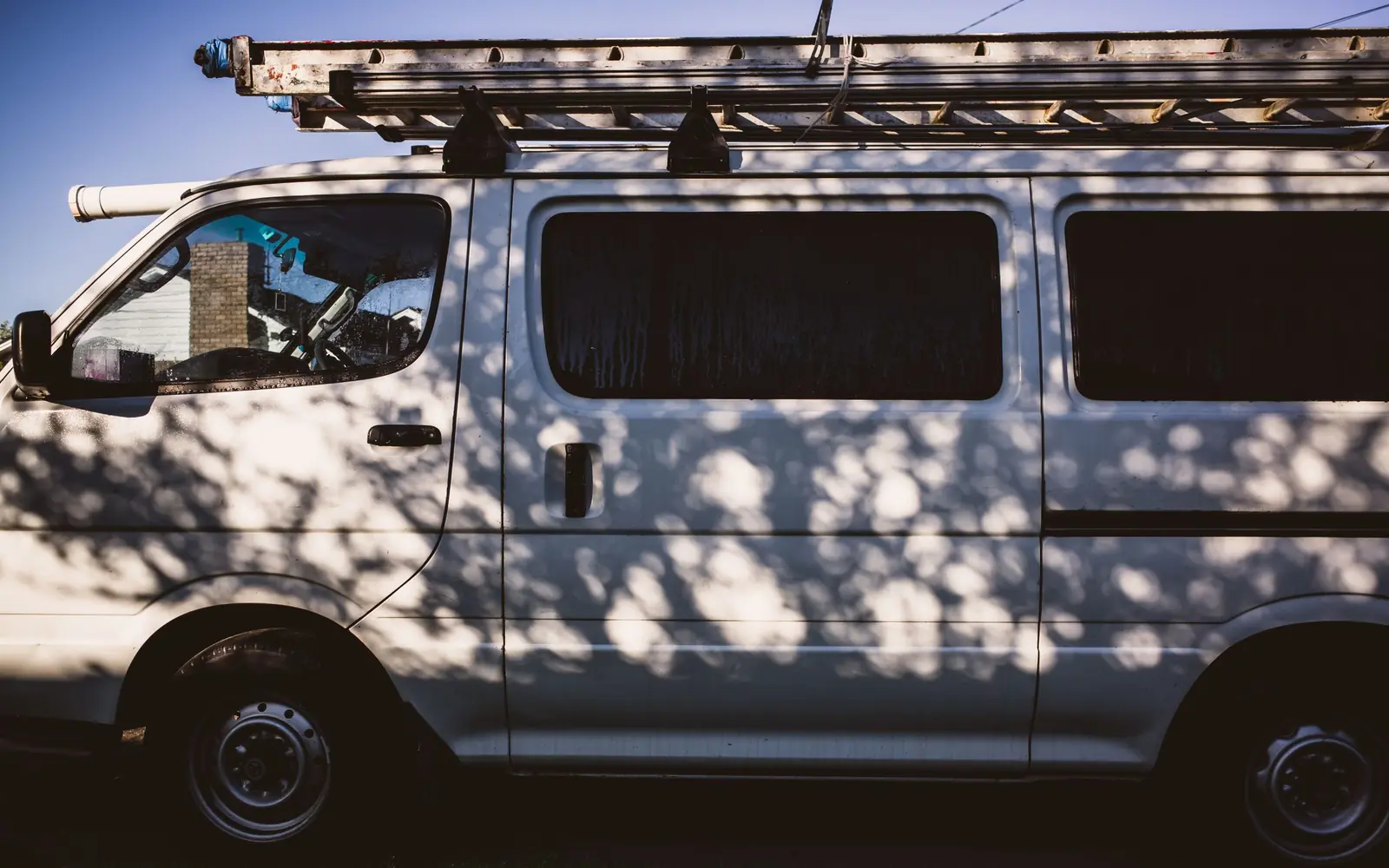
Photo: Sonny Sixteen on Pexels
Going mobile: what changes
- Parts and sales tax. If parts are more than 10% of your total charge, or you bill them separately, you're the retailer and need a seller's permit.[6]
- Used oil. You can carry up to 20 gallons of your own used oil, in containers of 5 gallons or less, to a certified collection center without a manifest (up to 55 gallons if the center agrees in advance).[7]
- Hazardous waste ID. Businesses that generate hazardous waste need a California or EPA ID number; DTSC also issues temporary IDs for short jobs.[8] Small batteries are universal waste and can't go in the trash.[9]
- Boatyard rules. Working in a yard as an outside contractor usually means prior approval for each boat and the yard's own rules.[10]
Then: startup, insurance and marina approval.
Sources
- U.S. Bureau of Labor Statistics. Occupational Outlook Handbook: Small engine mechanics (October 29, 2026).
- Las Positas College. Marine Technology Boating 101 Certificate of Achievement (2025–2026 catalog) (2025).
- American Boat & Yacht Council. Certification program.
- U.S. Environmental Protection Agency. Section 608 technician certification requirements.
- California State Parks, Division of Boating and Waterways. DBW reminds boaters of California law to obtain and carry a California Boater Card (June 28, 2022).
- California Department of Tax and Fee Administration. Regulation 1546, Installing, Repairing, Reconditioning in General.
- California Department of Toxic Substances Control. FAQs for used oil collection centers.
- California Department of Toxic Substances Control. Hazardous waste ID numbers.
- California Department of Toxic Substances Control. Universal waste fact sheet.
- KKMI. Contractor and customer rules (December 2022).