
Zincs and anodes in California
Zinc and anode replacement in California: when to replace them, how divers usually handle it, how they're billed, and what fast zinc loss can mean.
What it involves
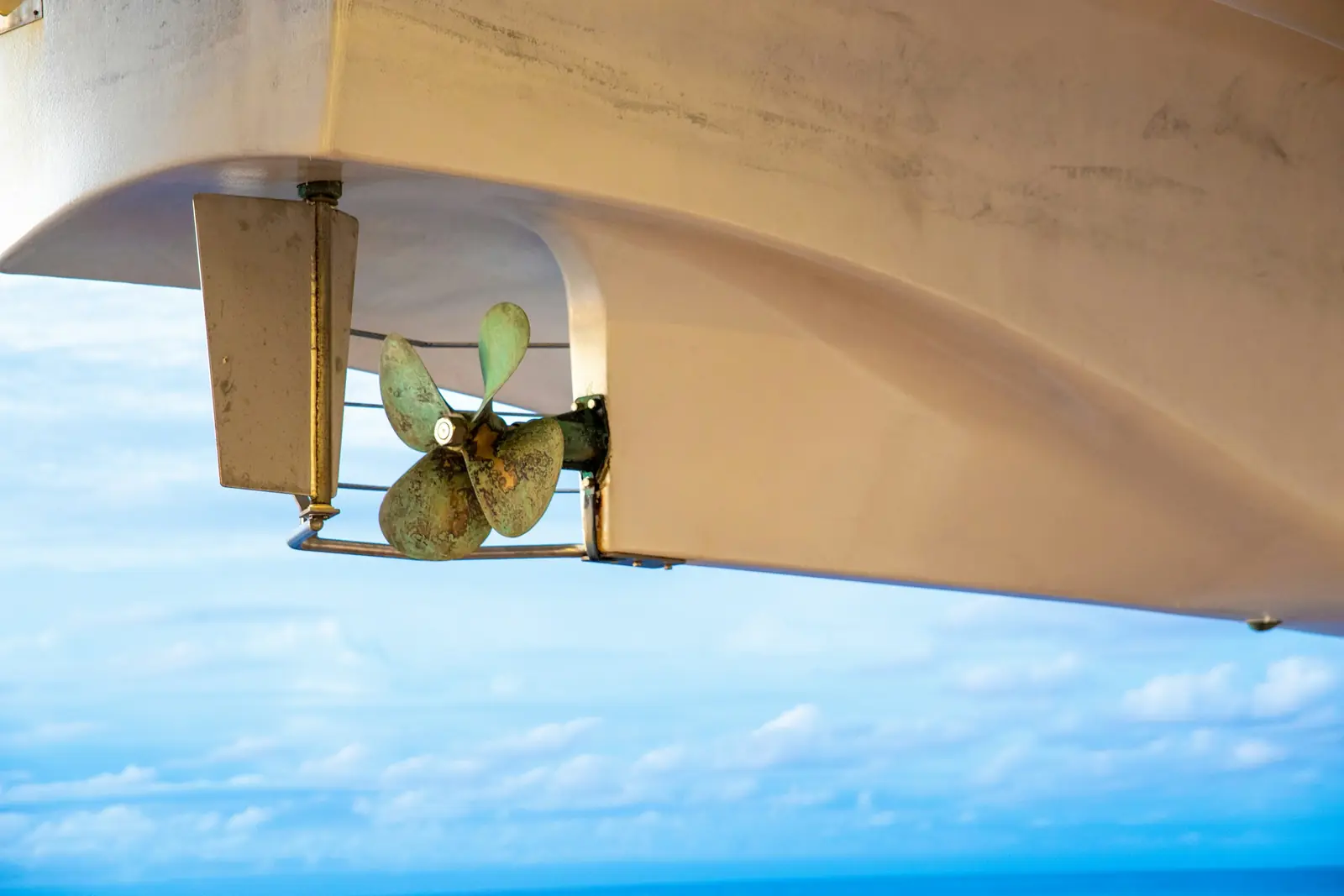
Sacrificial anodes (often called zincs, though they can also be aluminum or magnesium) corrode on purpose so that the propeller, shaft, outdrive and other underwater metals don't.
On slip-kept boats, a hull diver usually checks and replaces zincs during a regular cleaning.
Who does it: Hull divers in the water; boatyards and mechanics during a haul-out or engine service.
How often, in California
- Replace an anode when it is about half consumed, and inspect them at every haul-out. Most outdrive and outboard makers recommend replacement about every six months in saltwater; some manufacturers set a lower wear threshold.[1]
- Anodes that disappear much faster than usual are worth raising with a marine electrician.
What affects the cost
- The anodes themselves (size, metal and fit for your boat).
- Labor, often per anode, on top of a cleaning visit.
- Hard-to-reach anodes (shaft, trim tabs, bow thruster).
For published price ranges and the businesses they come from, see the zincs and anodes cost guide.
California rules that apply
- The Port of San Diego's hull cleaning ordinance treats zinc changes as separate from in-water hull cleaning.[2]
- Billing: when a repairer charges separately for parts such as anodes, or parts are more than 10% of the total, the repairer is the retailer of those parts for California sales tax.[3]
- Owners can't easily see underwater work. Ask for a photo of each new anode in place, and keep the old ones or a photo of them.
What to tell a provider
A request with these details gets a more accurate quote and fewer follow-up calls:
- Where your anodes are and their sizes or part numbers, if known
- Anode metal: zinc, aluminum or magnesium (follow your engine maker)
- When they were last replaced
- Whether you want photos of each anode after replacement
The free service request brief puts all of this on one page you can print or send.
Related guides and tools
Sources
- BoatUS. Boat corrosion protection with anodes (February 2017).
- Port of San Diego. Ordinance 3025, amending District Code §4.14 (Regulation of In-Water Hull Cleaning) (October 12, 2021).
- California Department of Tax and Fee Administration. Regulation 1546 (installing, repairing, reconditioning in general).